

especially in those autoimmune and metabolic diseases, associated with a chronic inflammatory process, which causes a loss of quality of life and degenerative processes of the state of health
Investigate and therapeutically apply advances in medicine and biotechnology of antiaging and advanced immunotherapy, with the aim of making therapeutic processes more efficient every day and improving the health, well-being and quality of life of patients.


in Advanced regenerative Medicine,
immunotherapy and biotechnology oriented to Health and wellness.
An autoimmune disease is a condition in which your immune system mistakenly attacks your body. The immune system normally guards against germs like bacteria and viruses. When it senses these foreign invaders, it sends out an army of fighter cells to attack them.
Inflammatory disease is a general term that applies to autoimmune diseases and chronic inflammation conditions in which a person’s immune system attacks the body’s own tissues.
Chronic inflammatory disease is a general term applied to autoimmune diseases such as:
The complexity of metabolism means there are many types of metabolic disorders. The National Center for Advancing Translational Sciences currently lists more than 500 metabolic disorders. Many of these are rare genetic disorders.
The disruption of normal metabolism, the process of converting food to energy on a cellular level is the main effect of metabolic diseases. The symptoms of genetic metabolic disorders vary widely depending on the metabolism problem present.
Thousands of enzymes participating in numerous interdependent metabolic pathways carry out this process. Metabolic diseases affect the ability of the cell to perform critical biochemical reactions that involve the processing or transport of proteins (amino acids), carbohydrates (sugars and starches), or lipids (fatty acids). Metabolic diseases are typically hereditary, yet most persons affected by them may appear healthy for days, months, or even years.
The onset of symptoms usually occurs when the body’s metabolism comes under stress—for example, after prolonged fasting or during a febrile illness.
Metabolic syndrome is a cluster of conditions that occur together, increasing your risk of heart disease, stroke and type 2 diabetes. These conditions include increased blood pressure, high blood sugar, excess body fat around the waist, and abnormal cholesterol or triglyceride levels.
By modulating the systemic inflammatory response, it is able to delay, avoid and correct these processes for a prolonged period of time, substantially improving the symptomatology.

What we are going to achieve is to reverse what is known as a systemic inflammatory process. All degenerative processes are accompanied by an increase in systemic inflammation, since the immune system, which is the one that keeps the whole organism in good condition, suffers a failure, fails, or is hindered and begins to generate an abnormal response, which is known as systemic inflammation.
If we are able to reverse this process, we slow down the whole degenerative process and this we have tested and achieved in people over 50 years old, which is our optimal candidate, we have managed to reverse this condition and we have simply slowed down the advance of this age-related deterioration.
We have been able to investigate at a biochemical level how the reversal of the systemic inflammatory process is able to protect the telomeres, that is, the telomeres that are responsible for the life that we have ahead of us, if I am able to protect the telomeres I am automatically improving life expectancy.
Any candidate to be treated at Aitness with advanced immunotherapy will be previously studied by reviewing all the clinical history, requesting the necessary complementary tests and discussed in clinical session by the team until the evaluation is completed.
The Aitness team will decide :
Once the protocol to be applied in each case has been decided, the level of benefits that can be achieved will be explained to the patient. In all cases there will be an improvement. So far, 100% of the people who have undergone immunotherapy have shown improvement. Some of them are mild and many with complete resolution of the disorder (persistent Covid).
Unfortunately some complex diseases and in very degenerated states will require high intensities of treatment to achieve limited benefits (palliative treatment).
In many cases we have achieved complete remissions of the symptomatology and we have been able to stop severe and progressive diseases achieving improvements not expected according to previous studies (prion and neurodegenerative diseases).
We will always explain to the patient in an individualized and personalized way, the expected possibilities of success and he/she will be free to decide whether or not to undergo the treatment.
Immunotherapy Medical Team, Immunotherapy Biotechnologists, Medical specialists who carry out the day-to-day follow-up of patients
The center is dedicated to offer treatments with autologous plasma derivatives (PRP, PRL, and its multiple variants) obtained from peripheral blood, in which we select the appropriate leukocyte/lymphocyte line for each type of metabolic disease, autoimmune, aging, etc.. with the fundamental intention of reversing the inflammatory process associated with these diseases, substantially improving the symptoms and quality of life of the patient.
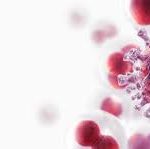
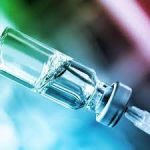
Aitness researchers have been able to prove the efficacy of the treatment in hundreds of patients. Specific studies have been carried out in collaboration with hospitals to evaluate the efficiency of the treatment, achieving substantial improvements in the symptoms and quality of life of patients with severe metabolic diseases.
Our aim is to continue covering the majority of inflammatory-based degenerative pathologies by expanding the number of research studies.
The use of platelet-rich plasma and leukocytes together with appropriate levels of fibrin substantially improves the inflammatory substrate as demonstrated in the studies performed. The classification of platelet concentrates proposed by Dohan-Ehrenfest et al. is summarized in four types, pure platelet-rich plasma (PRP-P), platelet- and leukocyte-rich plasma (PRP-L), pure platelet-rich fibrin (P-PRF) and platelet- and leukocyte-rich fibrin (PLRF). All of them have in common that they do not require activating substances, so their autologous character is of great value.
It is important to emphasize that all the components that make up this biomaterial are found naturally in the human organism; since no additives are added, its action becomes a totally physiological process, with the only consideration being that the concentrations of the different elements that act on the lesion to be treated are found in greater quantities.
The growing importance and potential expansion of its use is centered on the recent knowledge acquired in relation to the biological properties of its components, excellent sources for the generation of suitable environments for regeneration and the limitation of the proinflammatory state and the limitation of the pro-inflammatory state.
Many other conditions may require palliative care, including kidney failure, chronic liver disease, multiple sclerosis, Parkinson’s disease
Chronic inflammation refers to a response by your immune system that sticks
Oxidative stress is a phenomenon caused by an imbalance between production and accumulation of oxygen reactive species (ROS) in cells and tissues and the ability of a biological system to detoxify these reactive products. ROS can play, and in fact they do it, several physiological roles (i.e., cell signaling), and they are normally generated as by-products of oxygen metabolism; despite this, environmental stressors (i.e., UV, ionizing radiations, pollutants, and heavy metals) and xenobiotics (i.e., antiblastic drugs) contribute to greatly increase ROS production, therefore causing the imbalance that leads to cell and tissue damage (oxidative stress)
Free radicals are generated from both endogenous and exogenous sources. Immune cell activation, inflammation, ischemia, infection, cancer, excessive exercise, mental stress, and aging are all responsible for endogenous free radical production. Exogenous free radical production can occur as a result from exposure to environmental pollutants, heavy metals (Cd, Hg, Pb, Fe, and As), certain drugs (cyclosporine, tacrolimus, gentamycin, and bleomycin), chemical solvents, cooking (smoked meat, used oil, and fat), cigarette smoke, alcohol, and radiations.
The increase in ROS creates the metabolic process identified as chronic and systemic inflammation that increases with age (also known as inflamm-aging). It correlates with immunosenescence (aging of immunity) and predicts the risk of cardiovascular disease, frailty syndrome and multimorbidity.
We present Immunotherapy & Wellness Treatments Present #Aitness Improve Your Health For Better Future.
𝗜𝗺𝗺𝘂𝗻𝗼𝘁𝗵𝗲𝗿𝗮𝗽𝘆 & W𝗲𝗹𝗹𝗻𝗲𝘀𝘀 𝗧𝗿𝗲𝗮𝘁𝗺𝗲𝗻𝘁𝘀
We will talk about the Problems we face in Advanced Regenerative Medicine, Immunotherapy and Biotechnology Oriented to Health and Well-being. 𝗜𝗺𝗺𝘂𝗻𝗲 𝘁𝗵𝗲𝗿𝗮𝗽𝘆 𝗰𝗼𝘂𝗹𝗱 𝗯𝗲 𝘁𝗵𝗲 𝘀𝗼𝗹𝘂𝘁𝗶𝗼𝗻
The immune system inherently has the ability to reverse the autoimmune process, some metabolic processes, and also the inflammatory process.
From the point of view of #AttittudSolutions, it is a pleasure to present a success story in terms of the creation and development of the company #Aitness that comes out of the medical, scientific, biotechnological world and becomes a global reality in the world of advanced treatments and innovative wellness-oriented called #Aitness that will contribute to the health of people throughout their lives
What benefits can I expect from the treatment
Once the protocol to be applied in each case has been decided, the level of benefits that can be achieved will be explained to the patient. In all cases there will be an improvement. So far, 100% of the people who have undergone immunotherapy have shown improvement. Some of them are mild and many with complete resolution of the disorder (persistent Covid).
Unfortunately some complex diseases and in very degenerated states will require high intensities of treatment to achieve limited benefits (palliative treatment).
In many cases we have achieved complete remissions of the symptomatology and we have been able to stop severe and progressive diseases achieving improvements not expected according to previous studies (prion and neurodegenerative diseases).
We will always explain to the patient in an individualized and personalized way, the expected possibilities of success and he/she will be free to decide whether or not to undergo the treatment.
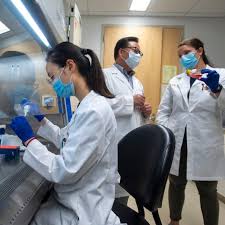
Our Team has more than 30 years in Advanced regenerative Medicine, immunotherapy and biotechnology oriented to Health and wellness.
You want to know how we can help you improve your health.
Send medical reports and tests to email contact@aitness.com